Good News
Volunteer dog teams find invasive plants with 75% accuracy in a German study
Eleven of 12 teams passed the field test, giving a low-cost way to protect local ecosystems.
In short
75%average detection success rate
- Average detection: 75%
- 11 of 12 teams passed
- Published in PLOS One
The study
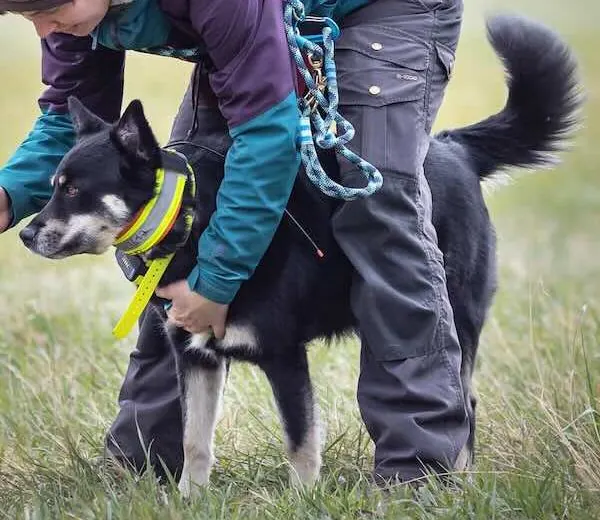
Scientists at the Helmholtz Centre for Environmental Research (UFZ) in Leipzig, led by Dr Annegret Grimm-Seyfarth, trained volunteer owners and their dogs from 2021 to 2023 to find invasive plants: Himalayan balsam, common ragweed and knotweeds such as Japanese knotweed. In the field test, the teams located them with an average success rate of 75%, and 11 of the 12 teams that completed it passed.
Why it matters
The study, published in PLOS One, also sets out how to select volunteers, train dogs and deploy them. Early detection makes invasive plants easier and cheaper to remove before they damage local ecosystems.
Read the original reporting
Good News Network↗