World Bank warns governments: digital ID wallets must not become a must-have for essential services
Its new report says elderly, low-income and low-connectivity people risk being locked out.
- Report: Digital Wallets: Implementation
- Suggests cards, cloud wallets and paper options
- India's systems were not assessed
The warning
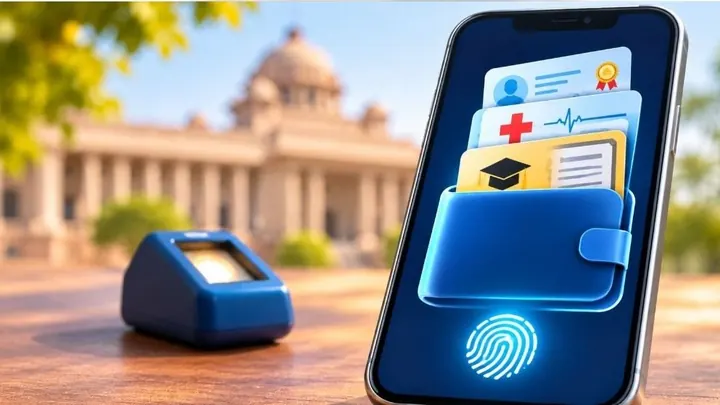
A World Bank report on national-scale digital wallets says they 'must not become a prerequisite for accessing essential services'. These wallets store and share verified credentials such as IDs, driving licences, certificates and medical records, and are different from payment apps.
Who's at risk
The report flags the elderly, low-income households and people with limited digital skills, as well as anyone without a smartphone or reliable internet, or who struggles to recover access after losing a device. It suggests alternatives such as chip-enabled physical cards, cloud-based wallets and paper credentials, plus phased rollouts on open standards.
India angle
Business Today notes the relevance to Aadhaar and DigiLocker, but the World Bank did not evaluate those systems or conclude that they exclude anyone.